Custom Wire, Cable, and Conduit Solutions for Renewable Energy Projects
The global renewable energy sector is experiencing unprecedented growth, with solar and wind installations reaching record levels. In 2024, the United States generated more than 750,000 gigawatt-hours of electricity from solar and wind combined – a figure that has tripled in just the past decade.
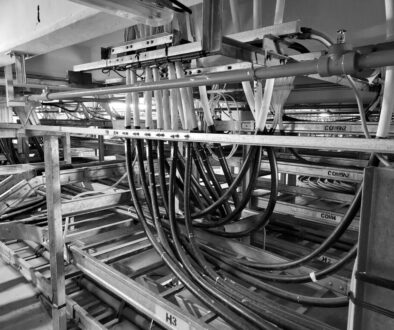
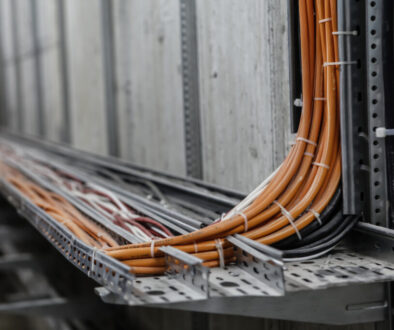
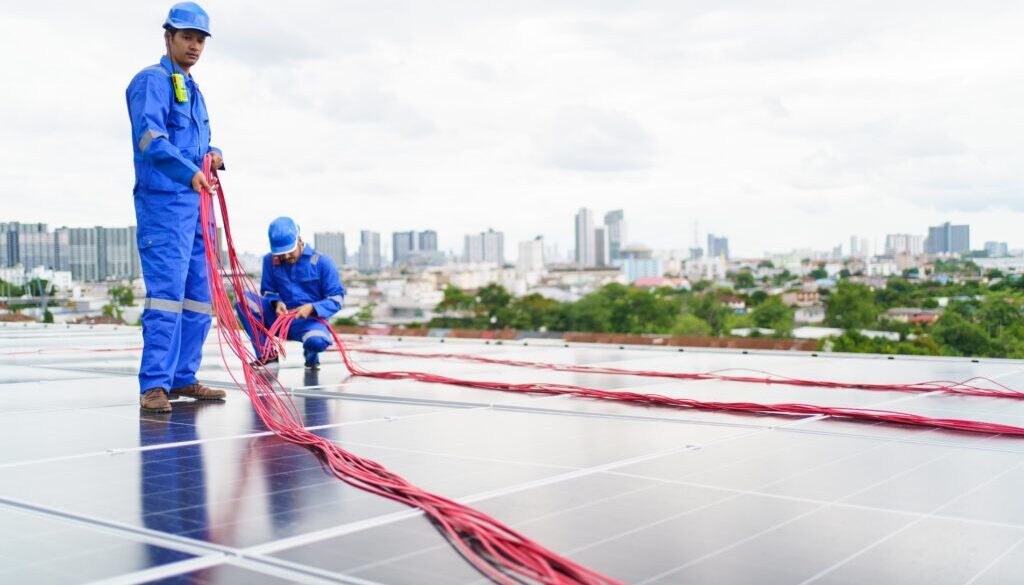
As renewable energy projects scale upward, the infrastructure supporting them must evolve accordingly. This includes the critical wire and cable systems that serve as the electrical arteries of solar farms, wind installations, and other renewable energy facilities.
At Allwire, we have spent nearly six decades manufacturing quality custom cable and conduit solutions for utility, renewable energy, and infrastructure markets. Today, we’re witnessing firsthand how the renewable energy boom is driving demand for more sophisticated, durable, and cost-effective cable delivery systems. Particularly, our HDPE (high-density polyethylene) cable-in-conduit solutions are optimized for the unique challenges of high-cost renewable energy projects.
HDPE Cable-in-Conduit: The Optimal Solution for Renewable Energy Projects
For high-value renewable energy installations where every percentage point of efficiency impacts project economics, as does every additional day of construction time. From that perspective, the right cable and conduit infrastructure becomes a strategic decision rather than merely a procurement task.
Superior Durability and Longevity
High-density polyethylene, abbreviated as HDPE conduit has emerged as the material of choice for renewable energy installations, offering significant advantages over traditional alternatives. HDPE conduit provides exceptional protection for electrical cables in the harsh environments typical of solar farms and wind installations. The material exhibits excellent resistance to chemicals, moisture, UV radiation, and extreme temperature fluctuations, which are all critical factors in outdoor renewable energy applications.
Extended Protection for Underground Cable Installations
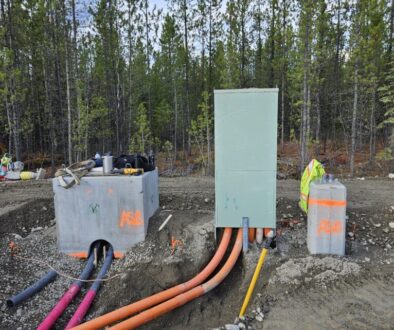
Underground cables play a pivotal role in transmitting solar power from photovoltaic systems to the electrical grid, serving as the vital link that facilitates safe and efficient electricity flow. By burying cables underground within protective conduit systems, renewable energy facilities minimize disruptions caused by extreme weather conditions, falling debris, or accidental contact. This inherent protection translates to more reliable power transmission systems, with underground cables experiencing fewer interruptions compared to overhead lines exposed to environmental elements.
Nevertheless, choice of conduit material is critical in terms of both installation ease and long-term reliability. Underground cable installation comes with many unique challenges, while shifting soil, temperature fluctuations, and other harsh environmental conditions present ongoing challenges. While PVC and other materials are often suitable, HDPE tends to offer easier installation and better dependability.
Outstanding Temperature Stability
HDPE material can withstand temperatures ranging from -40°F to 140°F continuously, maintaining functionality and integrity across extreme temperature variations. This temperature resilience is particularly crucial for solar installations in desert environments or northern climates where temperature swings are substantial. Unlike PVC, which can become brittle below -10°F, HDPE remains flexible and functional even in severe cold, preventing the cracking and breakage that can compromise cable protection.
Cable-in-Conduit Technology: Factory Installation Advantages
Allwire’s cable-in-conduit (CIC) solutions offer a significant advantage to renewable energy infrastructure, especially in terms of installation efficiency. In traditional installations, conduit must first be placed, then cables are pulled through on-site: a labor-intensive, time-consuming process prone to field contamination and cable damage. With CIC technology, cables are factory-installed into the conduit during the extrusion process, arriving at the job site ready for immediate installation.
See our previous article for more information on the unique advantages of cable-in-conduit: CIC Systems: Improved Installation Efficiency and Reliability
Allwire’s Commitment to Quality Cabling for the Renewable Energy Sector
Since 1967, Allwire has remained committed to superior quality manufacturing, providing products certified to the unique standards our customers require. Our extensive experience in utility, renewable energy, communication, groundwater, and irrigation markets positions us to understand the specific demands of modern renewable energy projects.